EIS Is Actually More Important Than OIS for Videos

If cameras are a priority, one of the first specs to check on a new phone is the image stabilization. You’ve probably been told optical image stabilization (OIS) reigns supreme, but this isn’t the case if you’re taking a lot of videos. Instead, we would argue, electronic image stabilization (EIS) actually works better for video.
While OIS is superior when it comes to still photos, the same can’t be said for videos. Videographers will benefit from OIS, true, but EIS actually does a better job with moving pictures in sequence. Both stabilization methods help to minimize any shaking of the camera body, but because of the way they each work, EIS is a better choice for videos.
How OIS Works
In phones, OIS works by suspending the lens over the camera module using springs and electromagnets. The phone detects the frequency and amplitude of any shaking, then uses the electromagnets to match it and adjust the angle of the lens. The lens moves in the opposite direction of the shake, allowing the image to re-center itself on the image sensor.
All this occurs before the image hits the image sensor, which means there is no image degradation. OIS uses your phone’s gyroscopic sensors to assist in detecting shake. The gyro-sensors measure movements and send this data to a “microcenter,” which then moves the lens to offset the motion.
In short, OIS mechanically moves the image sensor in response to any shaking detected in your phone. This physical movement, however, takes time, which is a valuable commodity in high frame rate videography. Another downside to OIS when it comes to video is the movement of the lens in respect to the image sensor can result in warped perspective, which comes across as a “jello effect” in videos.
Разница между AIS, OIS и EIS
Стабилизация изображения на базе искусственного интеллекта (AIS)
Технология стабилизации изображения на базе искусственного интеллекта позволяет снимать фото или видео с длинной выдержкой, особенно при низком освещении, при этом изображение получается четким и детальным без размытия.
Оптическая стабилизация изображения (OIS)
Технология оптической стабилизации изображения обеспечивается работой специальных механизмов, которые стабилизируют процесс фотосъемки, определяя движение камеры и в соответствии с этим перемещая объектив.
Электронная стабилизация изображения (EIS)
Электронная стабилизация изображения осуществляется с помощью анализа изображения примерно 2/3 области в датчике изображения и последующего использования изображений по краям для компенсации движения камеры. Такая стабилизация используется в большинстве камер.
What is image stabilization? OIS, EIS, and HIS explained
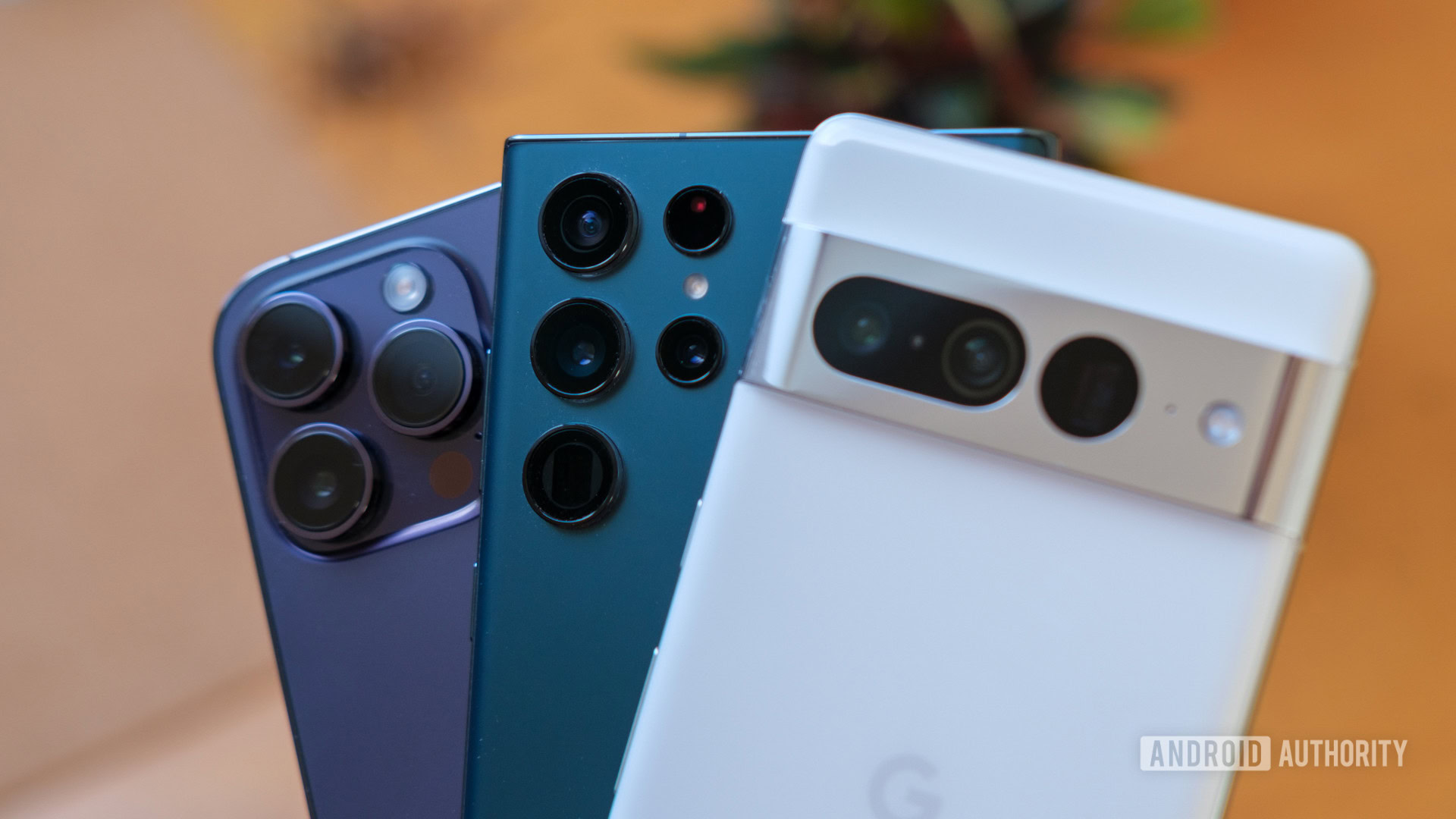
Smartphone camera technology is built from many parts, from sensors and lenses to laser focusing systems. Image stabilization is, increasingly, one of the fundamental building blocks of a great smartphone camera.
What is image stabilization?
Image stabilization refers to methods used to stabilize a camera system. These usually compensate for yaw, tilt, and roll movements. Whether using hardware or software, image stabilization can really improve photos, especially when shooting hand-held or in other shaky scenarios.
Image stabilization is essential for, well, stabilizing your images. Without it, your snaps and selfies can come out a blurred mess, and videos might look like they’ve been shot for an 80s B-movie. You see, a camera’s shutter has to be open to capture light. While this is happening, the slightest movement can smear your image. This is especially true when the shutter is open for a long time, such as when shooting in the dark.
You could stabilize your camera with a tripod or monopod. It’s not always convenient to carry these around, though. Not to mention there’s something magical about impromptu clips.
With HDR and night modes being more prevalent in our smartphones, the luxury of image stabilization has become a necessity. Virtually all modern smartphones provide image stabilization on at least one camera. However, there are a few different types of image stabilization. Let’s get you acquainted with them.
Optical Image Stabilization (OIS)

OIS is a hardware solution that uses a micro-electromechanical system (MEMS) gyroscope to detect movement and adjust the camera system accordingly. For example, if you are holding your smartphone and your hand moves slightly to the left, the OIS system will pick up on this and shift the camera slightly to the right.
As a hardware solution, this doesn’t require any cropping of the image, meaning that the phone uses a full sensor readout to capture the photograph. A byproduct of this is zero-distortion video since you don’t get the jelly effect that comes from digital stabilization. OIS makes for far more natural video, too, since you’re not applying an effect to the video.
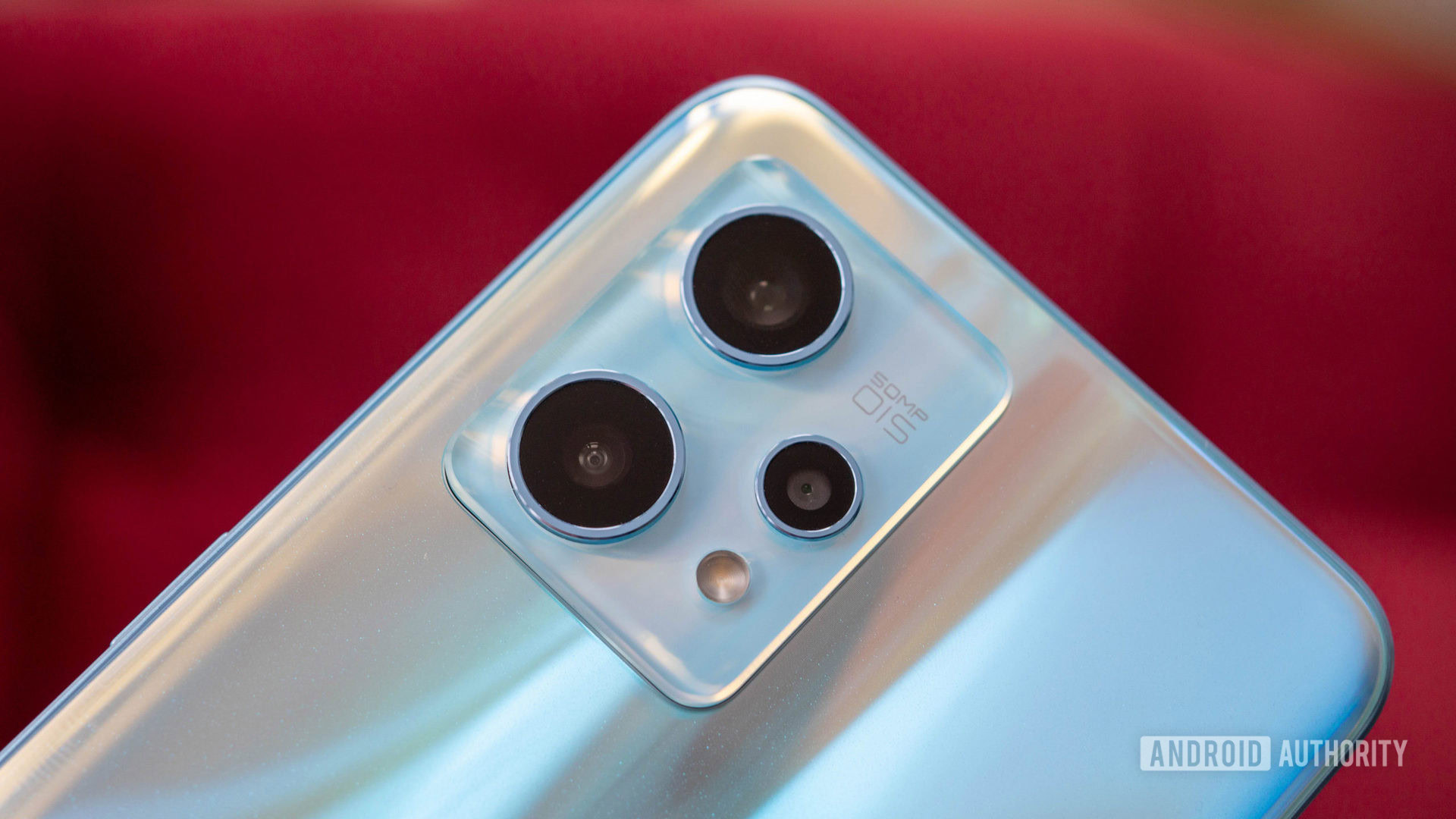
Constructing good OIS hardware isn’t cheap, which adds to the bill of materials cost and ultimately means you’ll pay more for your OIS-equipped smartphone, though it’s becoming much more common. It also turns the camera module’s typically static element into another moving part. It’s infrequent, but sometimes moving parts in an OIS system can malfunction, as is the case with any mechanical product.
OIS is a valuable tool, whether you are shooting videos or photos. It’s particularly adept in low-light scenarios, where the camera’s shutter may be open for longer. Without OIS, this can blur images due to slight hand movement, commonly known as motion blur. With OIS enabled, slight shakes are canceled out, making for crisper photos. The same goes for telephoto cameras, where minor shakes are amplified due to the far narrower field of view.
Electronic Image Stabilization (EIS)
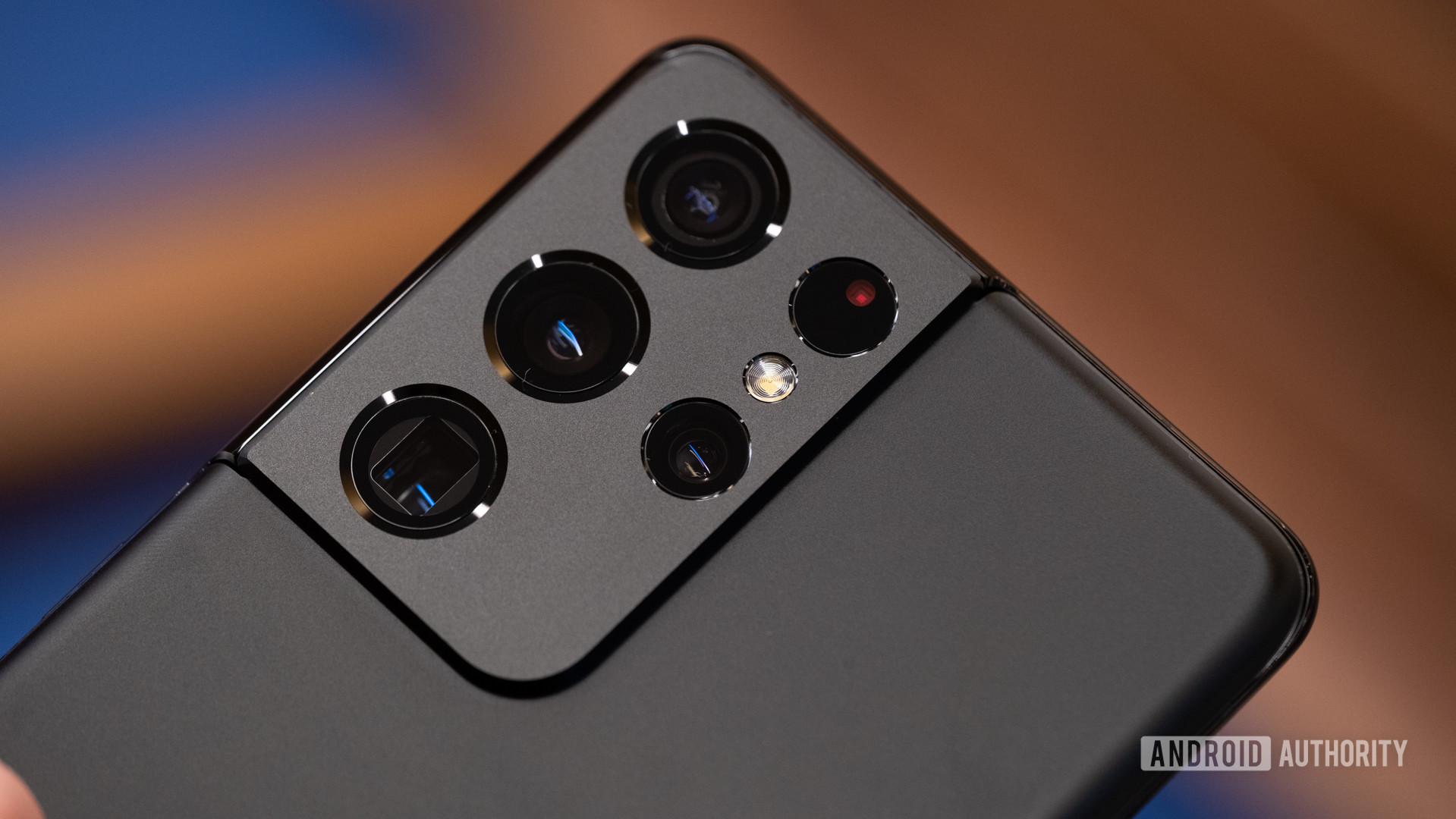
EIS attempts to do what OIS does, but without the physical hardware. This works by utilizing your smartphone’s accelerometer to detect small movements. The camera software interprets those movements and aligns each frame together. For images, this is crucial in HDR and night mode processes, where the camera takes multiple pictures in a short space of time.
For video, the software will find a high contrast point and attempt to keep that point in the same part of the frame. More modern examples of EIS use machine learning to detect the subject and lock the stabilization, accordingly. A common trade-off with using EIS is that it can produce unnatural-looking distortion from slight changes in perspective. This is what’s known as the jelly effect.
As example of the perspective-shift.
An example of the cropping buffer.
Arguably the biggest drawback of this stabilization method is the crop required for the process. With EIS enabled, you no longer see the entire sensor in the output. The edges of the sensor image are used as a buffer zone. The stabilized image can be moved around within this margin, keeping the subject stationary in the frame. Without the buffer zone, you would cut off the edges of the image as the stabilization moved around.
Hybrid Image Stabilization (HIS)

Hybrid Image Stabilization is, as the name suggests, a combination of both OIS and EIS. It’s an excellent all-around solution. OIS provides the essential hardware stabilization, and then EIS further smooths out the video footage. Due to the benefit of having OIS, the EIS crop factor doesn’t have to be as extreme. The buffer around the edges of the image can be smaller, resulting in a subtler crop and less of an impact on the final frame.
For images, there’s not really any benefit to a hybrid system. The OIS part will ensure shake-free shooting in all the desired scenarios. However, EIS adds stability to HDR, Night Mode, and multiple exposure night shots.
If you’re wondering what the results look like, here’s an example from Google’s Pixel 2, which was the Android giant’s first phone to use an OIS and EIS hybrid system.
What if Hybrid isn’t enough? Try a gimbal!
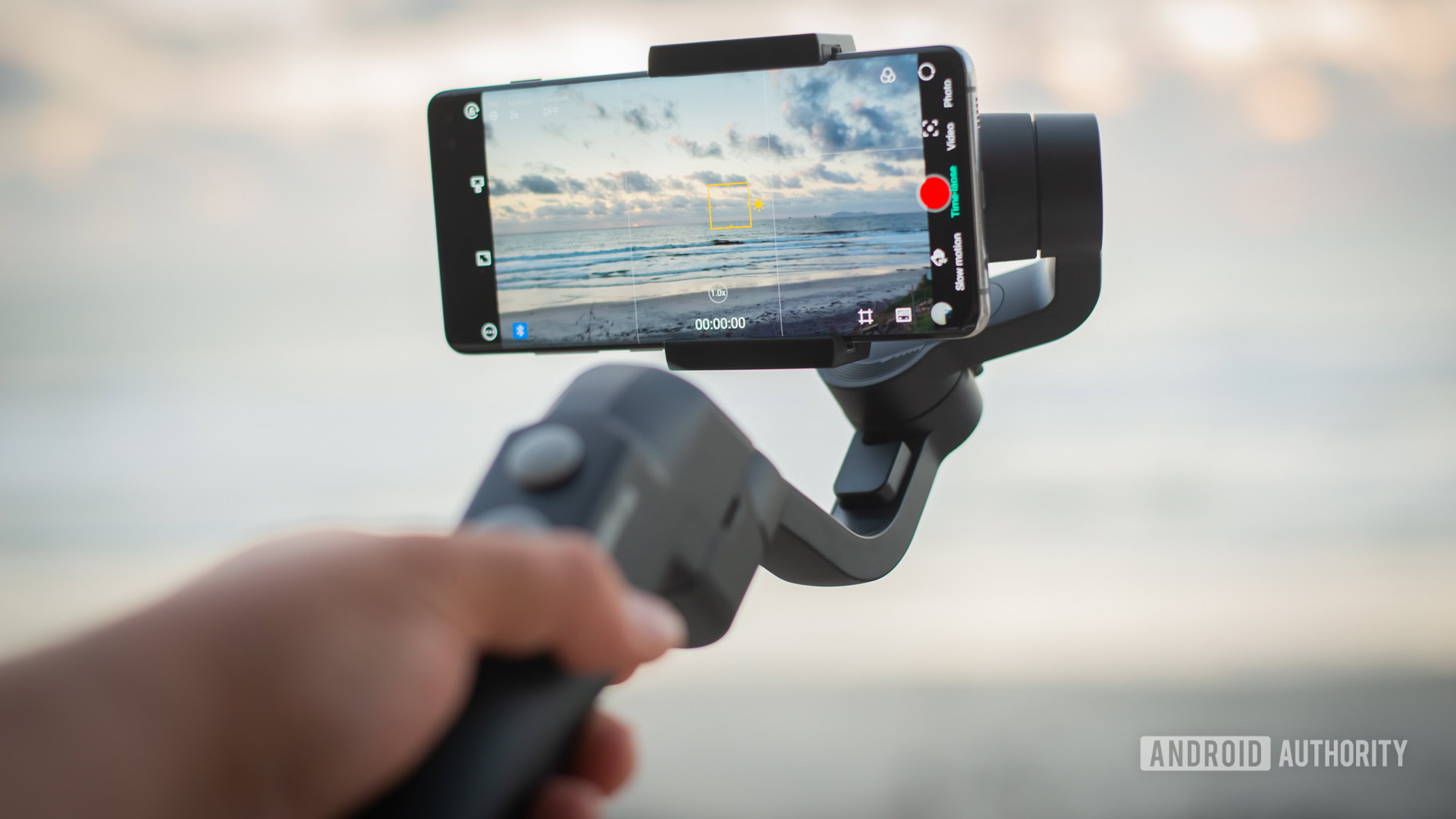
If you’re still unhappy with the smoothness of your smartphone video footage, one final trick would be to use a gimbal. These are essentially large gyroscopes that, when balanced correctly, keep your phone in the same orientation. Motors counteract the movement of your hands by moving the camera in the opposite direction. However, the results are not always better than your smartphone’s image stabilization. These are great tools to use in combination with your phone’s OIS or EIS, though.
Furthermore, gimbals give the added benefit of letting you control the motors to create smooth pan and tilt movements. There is usually a joystick in the handle. This will allow the user to manipulate the gimbal’s movements. These gimbals cost anywhere from $50 to $140 or more, depending on the make, model, features, and accessory kit. That’s quite a good amount of cash, but serious mobile videographers might deem it a worthy investment.
What should you pick?
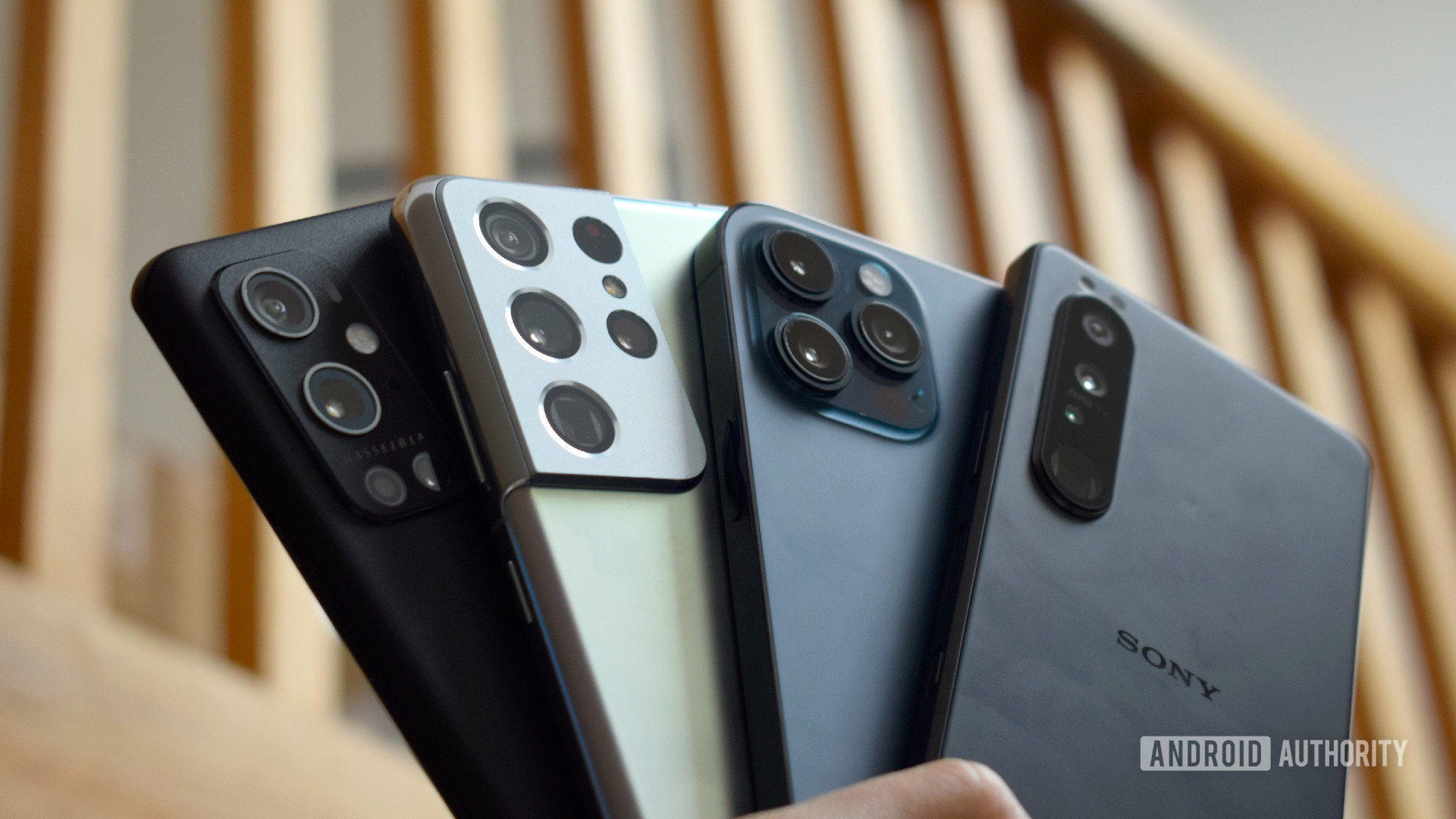
The hybrid method is a no-brainer if you want the best of both worlds. Thanks to the OIS element, you get the natural stability in video, and EIS will take care of the rest. Thankfully, all main cameras on smartphones have some form of EIS, with the majority also having OIS. These days, as long as you’re spending reasonable money, you don’t need to worry about stabilization quality. And more recently, even some budget phones have taken advantage of these technologies. Things like dynamic range, the field of view options, and color processing are all going to have a far more significant effect on your final footage.
If you have to choose between OIS and EIS, pick a camera phone that offers a hardware-based solution. It’s less artificial-looking for video, and far more effective for still images. If you’re after a good quality zoom lens on your next smartphone, make sure that said lens has OIS. Ultrawide lenses don’t require OIS in video modes due to the larger field of view combined with EIS. This means that while there is a crop, it’s nowhere near as extreme as if it were applied to a longer focal length.
Unless you want to create short films with your mobile, you might not need a gimbal. Hybrid IS technology is advancing quickly. Even modern mid-range phones offer excellent image stabilization capabilities.
OIS stands for optical image stabilization. It’s a type of image stabilization that uses mechanical movement to compensate for sudden movements and shakes.
Electronic Image Stabilization aims to replicate OIS, but solely using software. Essentially, it does so by detecting movements using the gyroscope, then adjusting image frames accordingly.
HIS uses both OIS and EIS to stabilize images. This means it depends both on hardware and software, taking the best of both worlds and providing optimal stabilization performance.
Optical Image Stabilization is preferred among professionals and enthusiasts, mainly because it’s a lossless method that requires no major editing or cropping. That said, there is only so much OIS systems can do. This is why many still prefer Hybrid Image Stabilization.
Sometimes improving your smartphone photography requires more than just equipment and technology. Remember, photography is a creative art, so sharpening your skills and learning more about technique can often do more to improve your images. We have a guide with photography tips and tricks if you’re interested.
Зачем стабилизация нужна в смартфонах и почему ее наличие важно для фотографии и видеозаписи
Зачем стабилизация нужна в смартфонах и почему ее наличие важно для фотографии и видеозаписи
Камера смартфона состоит из множества компонентов, от датчиков и объективов до систем лазерной фокусировки. И все чаще стабилизация изображения становится одной из основополагающих функций камеры.
Стабилизация изображения, как ни странно, важна для стабилизации ваших изображений. Без нее ваши снимки получаются размытыми, а видео выглядят так, будто второсортное кино 80-х. Видите ли, затвор камеры должен быть открытым, чтобы захватывать свет. Пока это происходит, малейшее движение может испортить весь кадр. Это особенно актуально, когда затвор открыт в течение длительного времени, например, при съемке в темноте.

Поскольку в наших смартфонах все чаще появляются HDR и ночные режимы, стабилизация изображения превратилась из роскоши в необходимость. Практически все смартфоны обеспечивают стабилизацию изображения как минимум на одной камере и делают они это разными способами. В этом материале мы расскажем про них.
Оптическая стабилизация изображения (OIS)
OIS — это аппаратное решение, использующее микроэлектромеханический (MEMS) гироскоп для определения движения и соответствующей настройки системы камеры. Например, если вы держите свой смартфон, и ваша рука слегка смещается влево, система OIS заметит это и немного сместит камеру вправо.
Это аппаратное решение не требует обрезки изображения, а это означает, что для захвата фотографии в телефоне используется полное считывание с датчика. В результате вы получите видео с нулевым искажением, поскольку пропадает «эффект желе», возникающий при цифровой стабилизации. OIS также делает видео намного более естественным, так как не применяется цифровая обработка.

Оптическая стабилизация максимально полезна для съемки видео или фотографий. Она особенно хороша в условиях слабого освещения, когда затвор камеры открыт дольше. Из-за отсутствия оптической стабилизации фотографии могут получаться размытыми даже из-за небольшого движения рукой.
При включенном OIS незначительные колебания нивелируются, что позволяет делать более четкие фотографии. То же самое касается телеобъективов, где малейшее дрожание усиливается из-за гораздо более широкого поля зрения.
Электронная стабилизация изображения (EIS)
EIS — это попытка сделать то, что делает OIS, но без физического оборудования. Этот вид стабилизации работает при помощи акселерометра вашего смартфона для обнаружения небольших движений. Программное обеспечение камеры считывает эти движения и выравнивает каждый кадр. Для изображений это особенно важно при съемке HDR и в ночном режиме, когда камера делает несколько снимков за короткий промежуток времени.
При записи видео программа найдет точку высокой контрастности и попытается удержать эту точку в той же части кадра. Более современные EIS используют машинное обучение для обнаружения объекта и, соответственно, его «захвата».

Обычный компромисс с использованием EIS заключается в том, что иногда электроника создает всем известный «эффект желе», делает видео не совсем естественными.
Возможно, самым большим недостатком электронной стабилизации является обрезание изображения. Когда EIS включен, картинка становится немного обрезанной на выходе.
Края изображения с сенсора камеры используются как буферная зона. Стабилизированное изображение можно перемещать в пределах этого поля, сохраняя объект в кадре. Без буферной зоны края изображения обрезались бы более заметно.
Гибридная стабилизация изображения (HIS)
HIS, следуя из названия, представляет собой комбинацию OIS и EIS. Это хорошее комплексное решение. OIS обеспечивает базовую аппаратную стабилизацию, а затем используется EIS для дальнейшего сглаживания видеоматериала.
Благодаря наличию OIS фактор «кропа» EIS не обязательно должен быть высоким. Буфер по краям изображения может быть меньше, что приводит к более тонкому кадрированию и меньшему влиянию на конечный кадр.
Для фото нет никакой пользы от гибридной системы. OIS обеспечит беспроблемную съемку во всех желаемых сценариях. Хотя EIS может быть включен для дополнительной стабилизации с HDR и многократными ночными снимками.
Если вам интересны результаты работы HIS, вот пример Pixel 2 от Google, который был первым флагманом на Android, использующим гибридную систему OIS и EIS:
Если и HIS вам недостаточно, изображения все еще размыты, а видео дергается, то единственным решением данной проблемы будет покупка ручного стабилизатора.